Overview
A petrol engine (also called a gasoline engine) is an internal combustion engine that uses petrol as fuel. It works by igniting a mixture of air and petrol inside a cylinder, producing energy that drives the vehicle.
-
Type: Spark-ignition engine
-
Fuel: Petrol (gasoline)
-
Main principle: Converts chemical energy of fuel into mechanical energy through combustion.
Course Objectives
-
Understand the principles of petrol engine operation.
-
Learn the construction and function of major engine systems.
-
Gain knowledge of maintenance practices for reliability and efficiency.
-
Develop skills to diagnose and troubleshoot common engine problems.
-
Appreciate the advantages, limitations, and applications of petrol engines.
- Teacher: Peter Kipsang
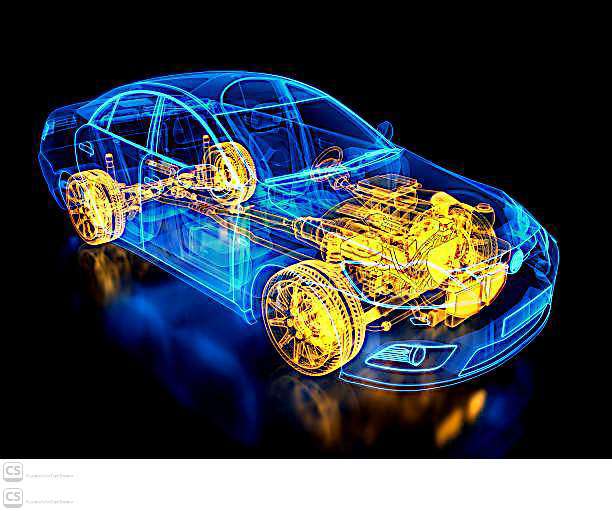
Course Description: Engine Technology
Course Title: Engine Technology
Course Code: ENT-301
Duration: One semester (approx. 14 weeks)
Level: Undergraduate / Technical Diploma
1. Course Overview
This course provides a comprehensive study of internal combustion engines (ICE) and modern propulsion systems. It covers fundamental principles, design, operation, performance analysis, and emerging technologies in engine development. Emphasis is placed on both theoretical foundations and practical applications relevant to automotive, industrial, and power generation sectors.
2. Learning Objectives
Upon completion, students will be able to:
Explain the working principles of various engine types (spark ignition, compression ignition, rotary, hybrid).
Analyze engine cycles (Otto, Diesel, Atkinson) using thermodynamic principles.
Evaluate engine performance parameters: power, torque, efficiency, emissions.
Understand fuel systems, ignition, cooling, lubrication, and emission control technologies.
Discuss emerging trends: electric-hybrid systems, alternative fuels, and sustainable engine design.
- Teacher: Peter Kipsang